Wisconsin
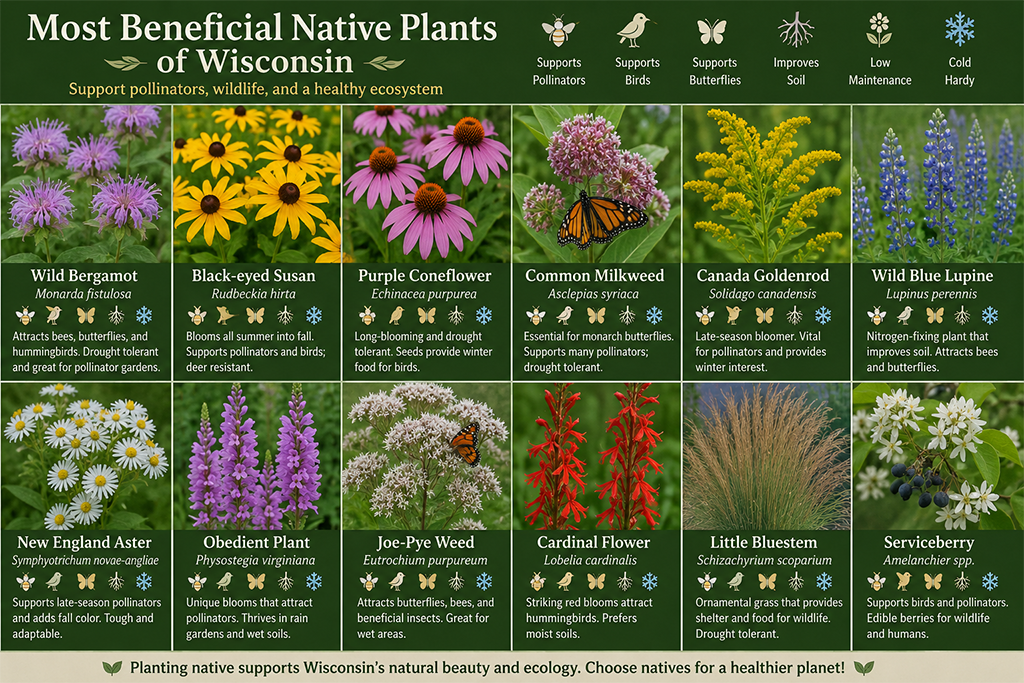
Wisconsin sits in a true prairie–forest transition zone, with tallgrass prairie remnants in the south, northern hardwood forests in the north, and extensive wetlands and Great Lakes shorelines. The most beneficial native plants here are those that restore prairie structure, support pollinators through a short growing season, and stabilize lakes, rivers, and forest soils.
Ready to dig deeper into the native plants for your neighborhood?
Explore your local ecosystem with Easyscape, a powerful tool that identifies plants native to your exact location and helps you discover species that thrive naturally in your area's unique climate and conditions. Easyscape provides personalized native plant recommendations, drought-tolerant options, and detailed plant profiles, making it easier than ever to create a beautiful, low-maintenance, and wildlife-friendly landscape. Click on the button below to view more information.

Helpful Native Plant Resources
- Ecological Introduction
- Why is Reducing Your Lawn a Good Thing?
- Reasons to Plant Native Plants
- What are Soft Landings?
- Why Leave the Leaves?
- Best Practices for Communicating with HOAs
- EcoRegion vs Plant Zone Maps
- Consider Signage in your Yard
Visit Native Plant Resources Near You
Kinnickinnic Natives is open seasonally and located near the banks of the Kinnickinnic River. They are a destination nursery for those seeking native perennials, wildflowers, and grasses. With original seed sources of 50 miles or less, these plants are well adapted for our location. Environmentally, such plants are well suited to the area and benefit the soil and groundwater as well as bees, butterflies and birds because they're at home in the habitat. Kinnickinnic Natives is run by a husband and wife team, we pride ourselves with locals only selection. Want to know the seed source of our plants, just as ...
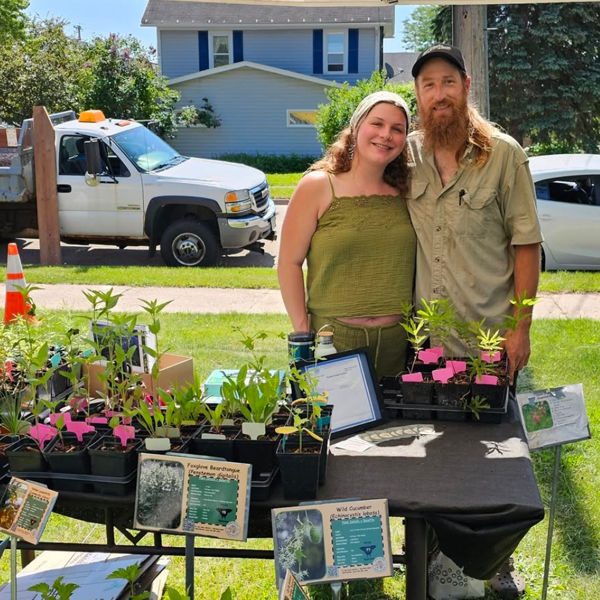
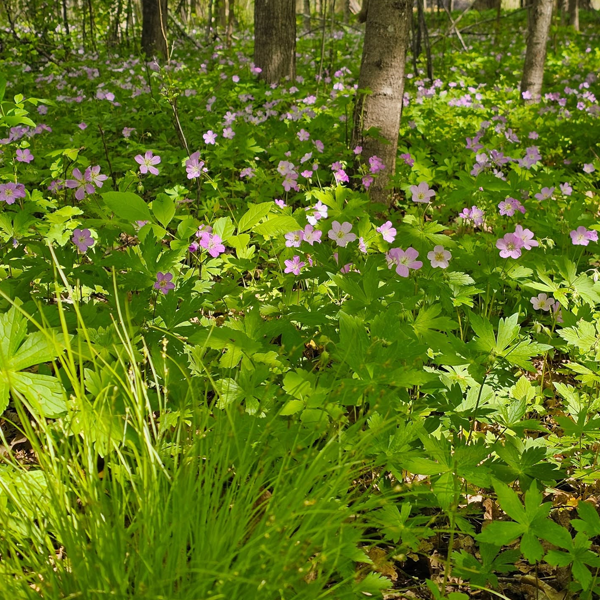
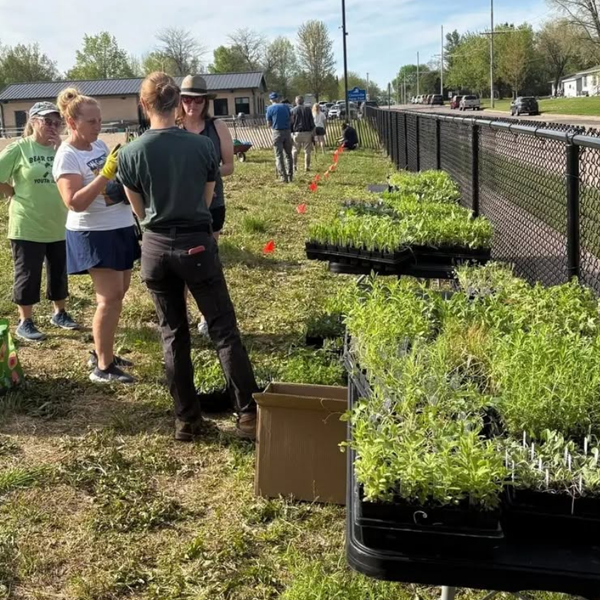
Quentin and Sage Rickert are the proud owners of Three Springs Native Nursery. In 2023, they were blessed to have found a small but mighty remnant fen/woodland to call their own. Lucky for them, this wonderful forest also contained 3 fresh flowing springs, thus the name. To date they have identified over 220+ native trees, grasses, forbs, etc. across our 4.5 acres along with over a dozen 200+ year old Bur Oak trees. Their mission is to increase the local knowledge and awareness of the beneficial role which native plants serve in our ecosystem. While also expanding to surrounding communities access to truly ...
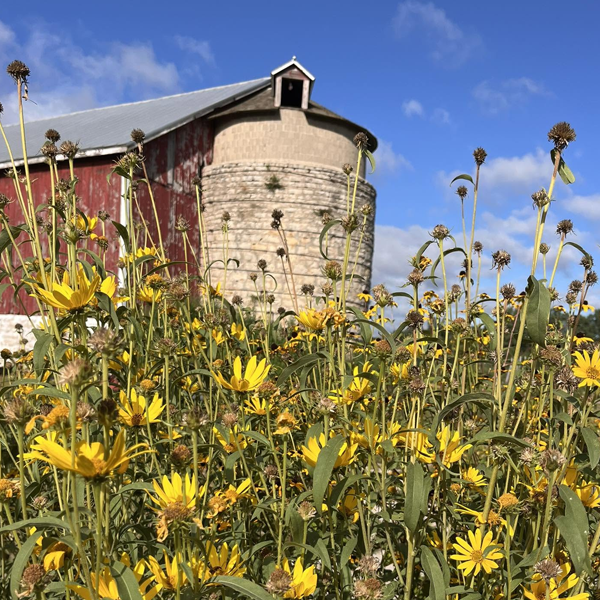
Stone Silo Prairie Garden is committed to the preservation of native plant species and their use in a homeowner’s landscape design. These plants are disease and drought resistant, and require no fertilizer or pesticides, making them the ideal choice for the gardener interested in protecting the environment. They are suitable for use in any perennial garden.
Taylor Creek Restoration Nurseries lead the way in science-based native plant propagation. With a 30-year track record, they offer the highest quality native, local-genotype seed and plants as well as the expertise to use and care for them. They track origins diligently and carry more than one genotype, for biodiversity propagation as well as customer service. They will also grow plants from nearly any eco-region on demand for clients whose projects require them. Taylor Creek Restoration Nurseries are committed to a “first, do no harm” mindset, our plants are nursery grown; it’s not our practice to wild-coll ...
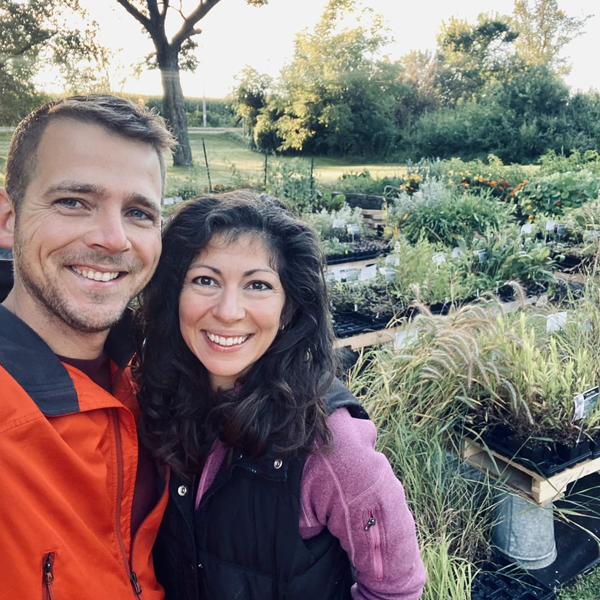
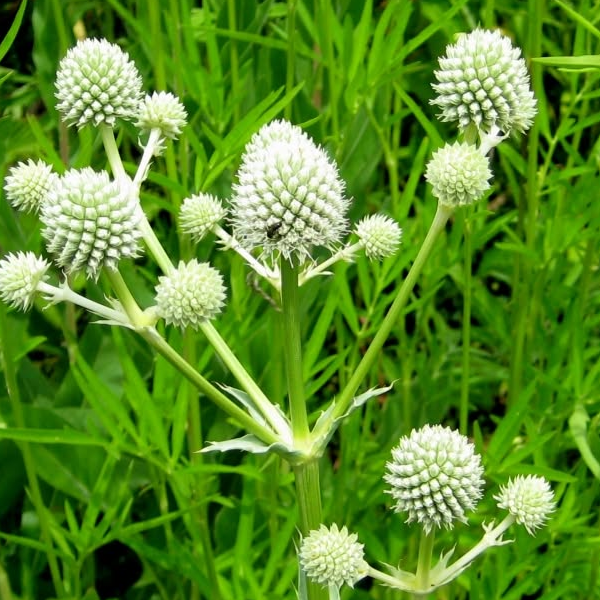
Habitat Plants Nursery is a home based nursery dedicated to preserving and promoting the natural beauty of Wisconsin and Minnesota through our collection of native trees, shrubs, grasses, and flowers. Our plants are sustainably grown and sold by appointment only to ensure personalized attention and care for each customer.
Wildflower Woods Native Plant Nursery provides native plants through their retail partners and accepts seasonal pre-orders for native plants and forbs.