Best Practices for Native Plantings in HOA Communities
Dealing with a Homeowners Association (HOA) when planting native gardens can be tricky, because HOAs often prefer traditional lawns and manicured landscapes. However, there are strategies to balance ecological goals with HOA rules.
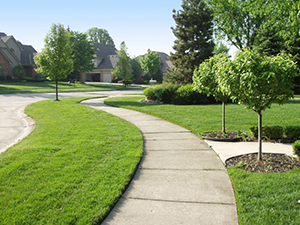 1. Know Your HOA Rules
-
Review the HOA guidelines for landscaping, lawn height, and plant types.
-
Identify any restrictions on trees, shrubs, or “wild-looking” areas.
2. Educate Your HOA
-
Explain the benefits of native plants, such as:
-
Supporting pollinators and birds
-
Reducing water usage and lawn maintenance
-
Preventing soil erosion
-
Reducing pesticide and fertilizer use
-
-
Share resources like Bringing Nature Home by Douglas W. Tallamy.
3. Start Small and Visible
-
Begin with small native gardens or a rain garden in a corner yard or near a sidewalk.
-
A well-maintained, attractive native planting can demonstrate that native plants can be tidy and beautiful.
4. Use Signage and Labels
-
Adding small educational signs helps neighbors and HOA members understand the purpose of the garden.
-
Example: “Native Wildflower Garden – Supports Pollinators and Birds.”
5. Blend with Traditional Landscaping
-
Maintain some manicured areas, like a small lawn or trimmed shrubs, to keep the yard visually appealing.
-
Use border edges or pathways to give native plantings a structured look.
6. Cite Environmental and Maintenance Benefits
-
Native plants reduce mowing, watering, and chemical use, which can be framed as cost-saving and environmentally responsible.
7. Work With Neighbors
-
Share your success stories and garden photos to encourage others.
-
Sometimes HOAs update rules when they see positive examples.
8. Consider HOA Exceptions
-
Some communities allow “wildlife-friendly” or “pollinator-friendly” gardens if you request a variance.
-
Include a plan showing neat borders, paths, and maintained areas to improve approval chances.
Example Approach
-
Plant a small pollinator garden along a side yard with labeled native plants.
-
Keep edges clean and pathways clear.
-
Include a sign explaining ecological benefits.
-
Over time, expand the garden as neighbors and HOA see that it is tidy and attractive.