Ecological Horticulture Overview

Ecological horticulture is the practice of gardening and landscaping in ways that support natural ecosystems, biodiversity, and environmental health rather than just focusing on appearance. Ecological horticulture treats gardens, parks, and yards as part of the larger ecosystem, turning everyday landscapes into places that help sustain wildlife and environmental health.
It blends traditional horticulture with ecological science to create landscapes that work with nature instead of against it.
This concept is strongly emphasized in the book Bringing Nature Home by Douglas W. Tallamy.
Key Principles of Ecological Horticulture
1. Use Native Plants - Support your local food web
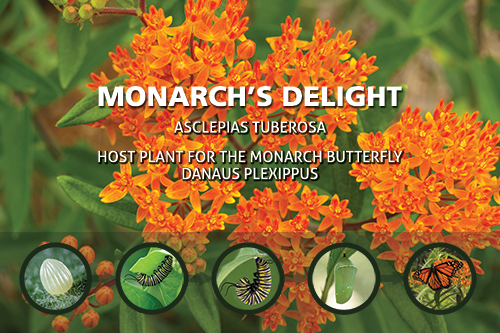 Native plants evolved alongside native insects, meaning most insects can only eat specific local plants. When landscapes are filled with foreign ornamental plants, insects cannot survive. According to research native plants can support 10–50 times more insect species than non-native plants.
Plants that naturally occur in a region are preferred because they:
-
Support local insects and pollinators
-
Require less fertilizer, water, and pesticides
2. Support Biodiversity - Insects are critical to wildlife survival
About 96% of North American birds feed insects to their young. Without insects, birds and many other animals cannot survive in their local food web. The goal is to rebuild local food webs that may have been disrupted by development or conventional landscaping.
Ecological horticulture aims to create landscapes that support:
-
Pollinators (bees, butterflies, moths, beetles)
-
Birds
3. Work With Natural Systems
 Healthy soil, insects, and plants form a self-supporting ecosystem.
Instead of controlling nature, ecological horticulture:
-
Improves soil health
-
Encourages natural pest control
-
Uses compost and organic practices
-
Reduces chemical inputs
4. Reduce Environmental Impact
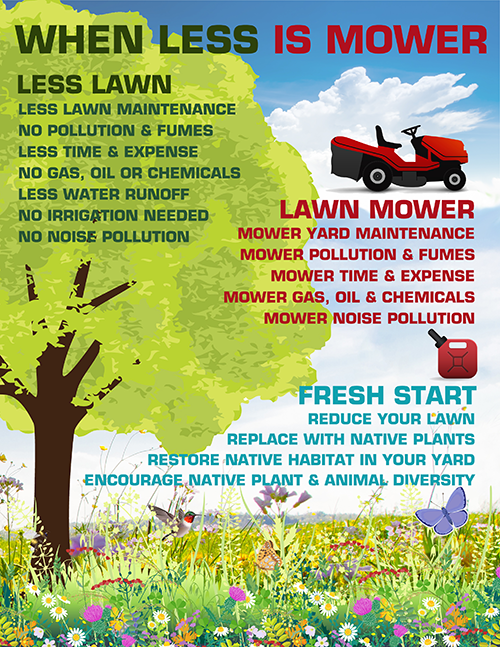
In the U.S., millions of acres of lawns and developed landscapes have replaced productive habitat. Habitat fragmentation leaves wildlife with small, isolated areas that cannot sustain populations. Consider strategies help protect water quality, wildlife habitat, and climate resilience.
What you can do in your yard:
-
Reduce lawn space - Large lawns provide almost no food for wildlife
-
Using rain gardens and native meadows
-
Conserving water
-
Avoiding invasive plants - replace non-native species that disrupt local food webs.
Simple Example
 A traditional yard might include:
-
Large lawn
-
Exotic ornamental shrubs
-
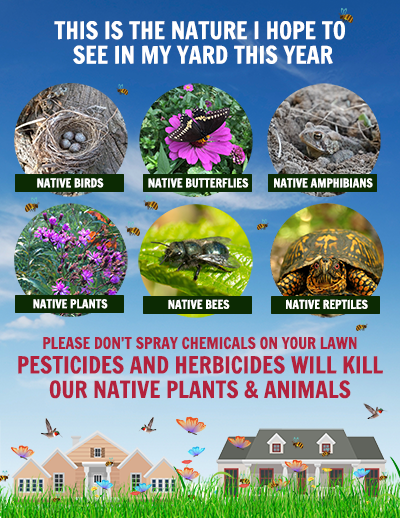
Fertilizers and use of insecticides, pesticides, herbicides and fungicides.
An ecological horticulture yard might include:
-
Native trees like oaks
-
Native wildflowers and grasses
-
Habitat for birds and butterflies
-
No chemicals or "cides"
